Better Clinicians Don’t Just Know More. They Think Better.

One of the biggest misconceptions about becoming a better clinician is that it simply means reading more health-related papers. That gives you knowledge. It does not necessarily improve how you think.
This summer, I deliberately alternated between three very different books.
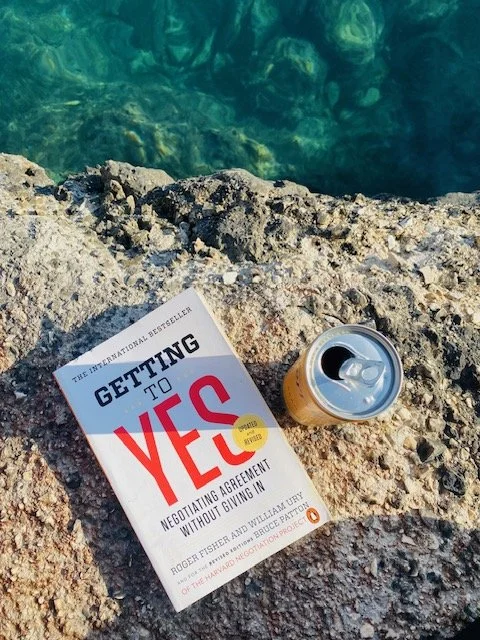
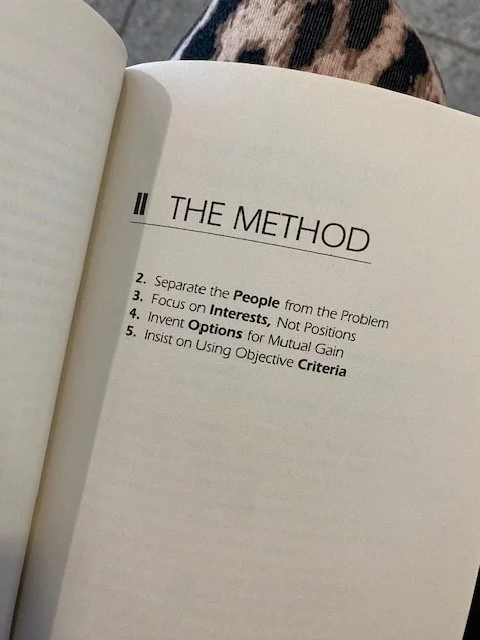
Getting to Yes by William Ury and Roger Fisher explores the fact that every human being is, whether they realise it or not, a negotiator.
That is just as true in healthcare as it is in business.
Good clinical outcomes depend on more than scientific knowledge. They require the ability to navigate uncertainty, competing priorities and human behaviour.
The best consultation is not simply about telling someone what to do. It is about creating a strategy they understand, trust and can realistically implement.
Even the best clinical plan has no value if it never becomes action. And every action begins with a negotiation - with the beliefs, fears, priorities and trade-offs already happening inside the patient’s mind.
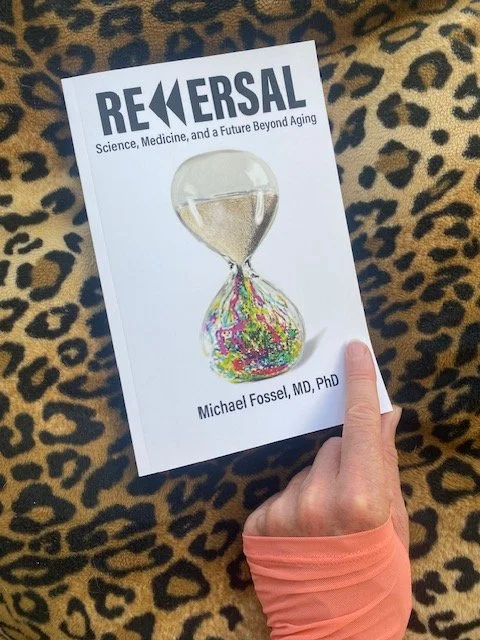
Reversal by Professor Michael Fossel, MD. PhD stood out for its second-to-none systems thinking, philosophical reasoning and scientific clarity.
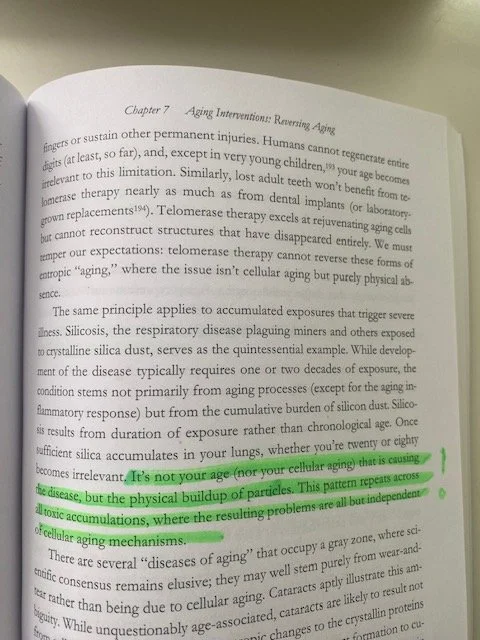
Professor Fossel explains the fallacy of treating the downstream consequences of ageing while leaving the upstream biological process untouched. His thesis is that meaningful anti-ageing requires restoring healthy cellular turnover, rather than simply treating the diseases and biomarkers that appear downstream.
That distinction matters in a longevity market increasingly dominated by supplements, biomarkers and isolated interventions without a clear understanding of the mechanism connecting them.
Professor Fossel is a genuine pioneer in the biology of ageing. What makes this book exceptional is not only the science, but the calibre of thinking behind it. It brings clarity, intellectual depth and humanity to a field increasingly crowded by trends - and quite frankly nonsense.
This is not simply another longevity book. It is foundational reading.
“In the end, living longer won’t make us better people. But it will give us more time to try.” - Professor Fossel
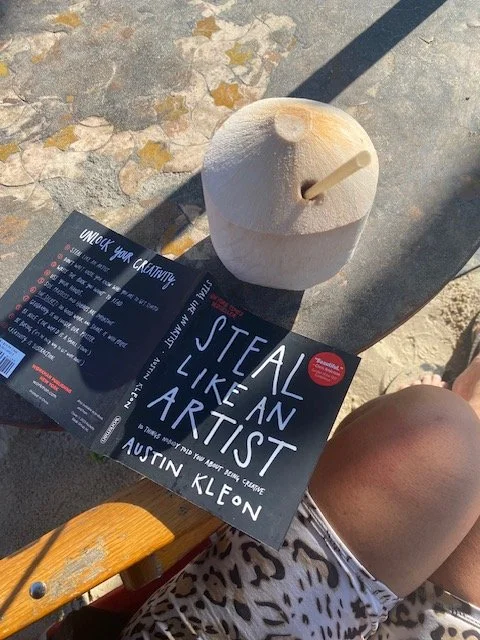
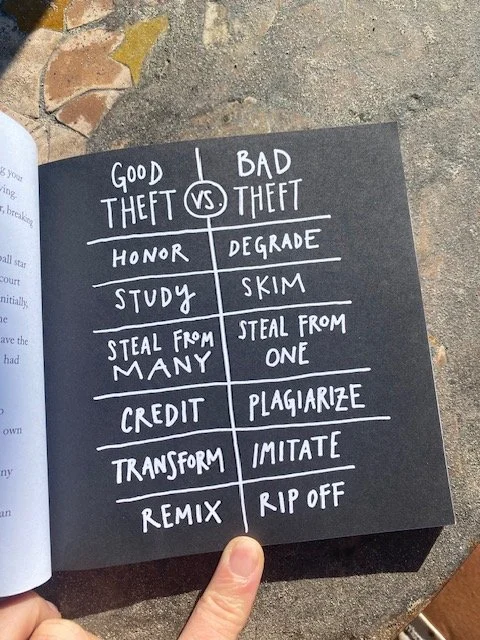
Steal Like an Artist by Austin Kleon reminded me that the best ideas rarely come from staying inside one discipline.
Real innovation comes from connecting concepts that do not normally meet. The same applies in clinical practice.
Hormones cannot always be understood through endocrinology alone.
Gut symptoms are not always gastrointestinal.
Fatigue is rarely just about iron.
Some of the most important breakthroughs happen when we stop asking: “What specialist should own this problem?” And start asking: “What system is this symptom pointing to?”
The body does not operate in silos. Neither should clinical thinking.
What’s a book that changed your mind about something you thought you knew, I’d be curious?