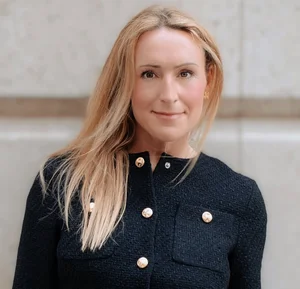
You can function extremely well while your biology is already moving in the wrong direction.
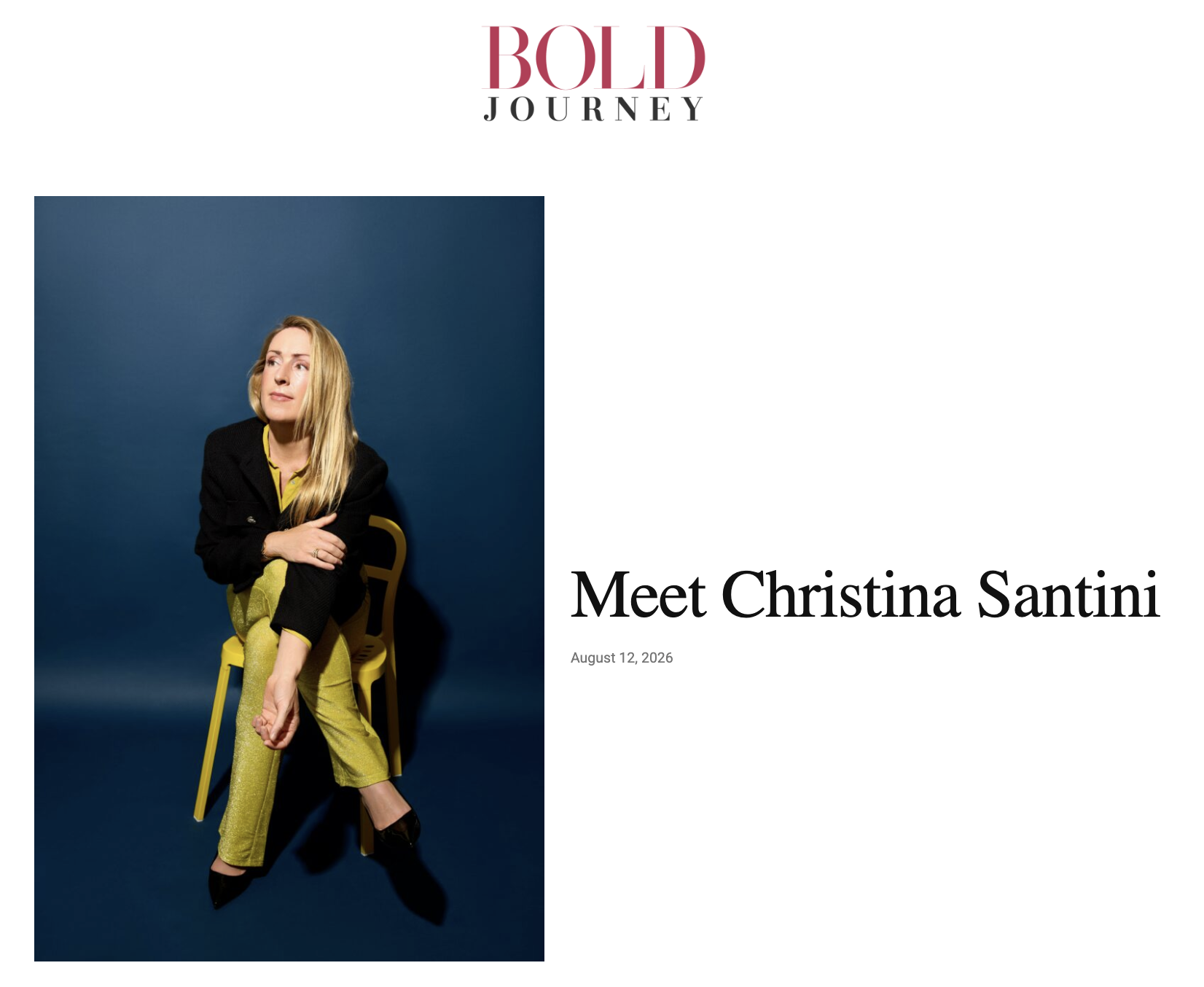
I was recently interviewed by Bold Journey about the work behind The Nutrition Clinic, the experiences that shaped my approach to health, and why I believe the future of healthcare needs to become far more precise.
One of the central themes of the conversation is something I see repeatedly in my work:
People can remain highly functional long after their biology has started moving in the wrong direction.
This is particularly relevant for founders, executives and leadership teams.
Someone can still perform, make decisions, lead a company and deliver results while simultaneously dealing with declining energy, disrupted sleep, blood sugar instability, hormonal changes, inflammation, nutrient depletion or chronic physiological stress.
The problem is that these changes rarely arrive with a clear warning sign.
By the time performance is visibly affected, the underlying biological shift may have been developing for years.
From symptoms to health intelligence
My work over the past 20 years has increasingly focused on identifying these patterns earlier.
Rather than starting with generic wellness recommendations, I look at health as a data problem:
What is changing biologically?
Which findings actually matter?
What is potentially driving them?
Which interventions are most likely to create measurable improvement?
This means combining clinical history with targeted diagnostics, nutritional assessment and biological data to turn complexity into practical decisions.
For individuals, that can mean finally understanding persistent fatigue, cognitive changes or symptoms that have previously been dismissed.
For organizations, the implications are broader.
Health is also a business variable
Companies spend significant resources developing leadership, improving productivity and protecting their most valuable assets.
But one of those assets is still routinely underestimated:
the biological health of the people making the most consequential decisions.
Poor sleep affects judgement. Metabolic dysfunction affects energy and cognition. Chronic physiological stress affects recovery, resilience and ultimately performance.
This is why I believe corporate health needs to move beyond wellness initiatives and become more strategic.
The question is no longer simply:
"How do we make employees healthier?"
A more useful question is:
"Which biological risks could compromise performance - and can we identify them before they become expensive problems?"
That shift from wellness to health intelligence is where much of my work is heading.
The Bold Journey interview explores this philosophy, my path into clinical nutrition, and what two decades of working with clients across Copenhagen, Los Angeles and New York have taught me about the connection between biology, health and human performance.
Read the full Bold Journey interview here: https://boldjourney.com/meet-christina-santini-2
For companies and leadership teams interested in Strategic Health Assessments or Corporate Health Strategy, we work with organizations seeking a more data-driven approach to preventive health and performance. Corporate engagements are available globally at your company’s location. In Los Angeles and Copenhagen, assessments can also take place either at our clinic or at your office. Contact us for engagement options.