HbA1c isn’t just about diabetes
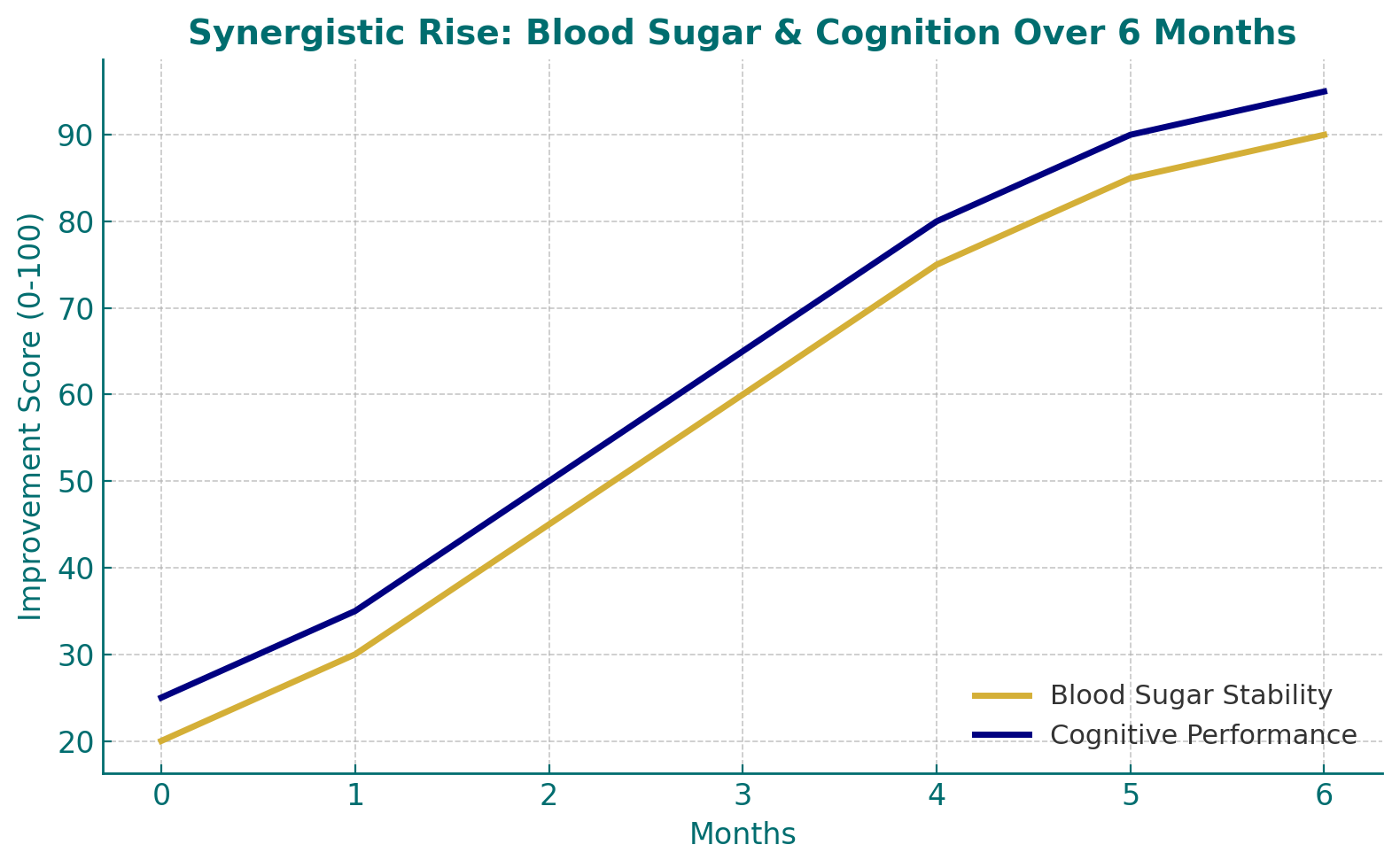
It’s one of the strongest predictors of how fast you’re aging. It reflects your 3‑month blood sugar average — and when it starts creeping up, you’re already losing years of focus, energy, and resilience.
The problem? Most doctors don’t flag it until it’s diabetic. By then, the damage is done.
High performers who ignore HbA1c are often aging 30% faster than they should - and they don’t even know it.
Here’s what a rising HbA1c really means:
· Brain fog and slower processing — at the exact hours you need clarity most
· Inflammation quietly shaving years off your healthspan
· Hormonal signaling breaking down, even if you “feel fine”
· Cardiovascular and immune systems under silent siege
One uptick isn’t just a lab number. It’s hours of lost peak cognition, every single day.
The 5 Levers That Actually Move HbA1c
(and no, cutting every carb isn’t one of them)
1. Stability Over Perfection
It’s not the occasional dessert that accelerates aging. It’s the daily spikes and crashes that erode brain function and mitochondrial efficiency. The real culprits? Poor macronutrient balance and misaligned meal timing.
2. Movement as Medicine
Ten minutes of walking post‑meal does more for glucose control than the latest supplement stack.
3. Stress + Sleep: The Silent Saboteurs
Cortisol and circadian disruption raise blood sugar even when your diet is flawless.
4. Context Over Dogma
Keto, vegan, intermittent fasting - all can deliver short‑term results. All can also backfire long‑term if they don’t fit your biology. Restrictive diets shift hormones, micronutrient status, and metabolic resilience in ways you may not feel until it’s too late. If you insist on going restrictive, follow up with proper biomarker testing after 6 months. Beyond HbA1c, assess fasting insulin, thyroid function, lipid subfractions, micronutrient panels, and inflammatory markers to know whether your plan is optimizing health - or quietly eroding it. And sometimes these panels aren’t always enough to asses fully – why understand your health history becomes crucial to understand what to test for to asses properly.
5. Test, Don’t Guess
If you’re not tracking HbA1c alongside fasting insulin and glucose response, you’re just hoping. Hope is not a strategy.
The Bottom Line
Short‑term diet wins don’t equal long‑term resilience.
Ignore HbA1c, and you might still look good while quietly accelerating decline. Track it, and you can course‑correct before symptoms cash the check.
Because at the end of the day, the real longevity flex isn’t your cold plunge streak. It’s a HbA1c under 5.5.