Turmeric as efficient as 14 drugs: Science confirms
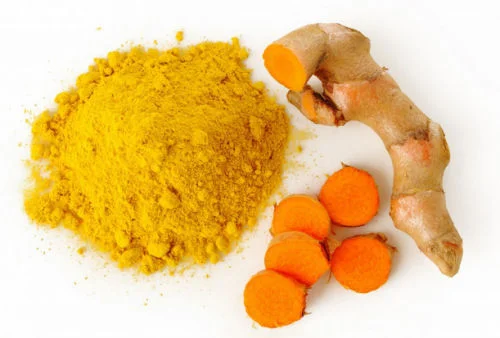
Turmeric has been used for centuries, but modern research is now helping us understand why this vibrant root continues to attract scientific interest.
Its most studied compounds, curcuminoids, appear to influence several biological processes involved in inflammation, oxidative stress and metabolic regulation. Curcumin is not a miracle treatment, but it is a compelling example of how a natural compound can interact with human biology in surprisingly sophisticated ways.
MORE THAN A CULINARY SPICE
Curcumin has been studied in connection with joint health, metabolic function, mood, cardiovascular health and cellular regulation.
The most promising human evidence currently concerns knee osteoarthritis. Several clinical studies suggest that specific curcumin preparations may help reduce pain and stiffness and support physical function.
Researchers have also observed potentially beneficial changes in inflammatory markers, blood sugar regulation, lipid metabolism and symptoms of depression. The findings are not equally strong across every condition, but they provide a meaningful foundation for further research.
WHY CURCUMIN ATTRACTS SO MUCH ATTENTION
Inflammation is not inherently harmful. It is a necessary part of healing and immune defence. Problems arise when inflammatory signalling remains active for too long or becomes poorly regulated regulated.
Laboratory research suggests that curcumin can influence several pathways involved in this process, including NF-kappaB and oxidative stress signalling. It has also demonstrated antimicrobial and antiproliferative activity under experimental conditions.
These findings do not mean that turmeric can independently treat infections or cancer. They do, however, help explain why curcumin is being investigated across such a broad range of health conditions.
THE FORMULATION MATTERS
One of curcumin’s greatest limitations is absorption. The body naturally absorbs very little curcumin from ordinary turmeric, and much of it is rapidly metabolised.
This means that adding turmeric to food is not equivalent to using a standardised curcumin extract in a clinical study.
Some supplements use piperine, phospholipids or other delivery systems to improve absorption. These formulations may produce stronger effects, but increased bioavailability also makes product quality, dosage and individual suitability more important.
The question is therefore not simply whether turmeric “works.” It is:
Which preparation was used?
At what dosage?
For which person?
For what purpose?
Alongside which medication or treatment?
That is where nutritional science becomes more useful than supplement hype.
HOW TO USE TURMERIC INTELLIGENTLY
Using turmeric regularly in cooking is a simple way to add flavour, colour and plant compounds to the diet. It works well in soups, curries, roasted vegetables, dressings and warm drinks.
Concentrated curcumin supplements should be approached more strategically. They may cause gastrointestinal symptoms, interact with certain medications and are not appropriate for everyone. Highly bioavailable products have also been associated with rare cases of liver injury.
Curcumin should not replace necessary treatment for cancer, infection, depression, diabetes or cardiovascular disease. Its most appropriate role may be as a carefully selected addition to a broader health strategy.
THE BOTTOM LINE
Turmeric does not need exaggerated claims to be impressive.
It is a biologically active plant with centuries of traditional use, a growing body of research and promising clinical applications - particularly within joint health and inflammatory regulation.
The real opportunity is not to present turmeric as a replacement for all medicine but rather to understand where it may genuinely add value, choose the right form and use it with the same precision we would apply to any other intervention.
That is how natural medicine earns credibility: not by promising everything, but by using promising tools intelligently.
SCIENTIFIC REFERENCESFeng J, Li Z, Tian L, et al. Efficacy and safety of curcuminoids alone in alleviating pain and dysfunction for knee osteoarthritis: a systematic review and meta-analysis of randomized controlled trials. BMC Complement Med Ther. 2022;22:276. doi:10.1186/s12906-022-03740-9Daily JW, Yang M, Park S. Efficacy of turmeric extracts and curcumin for alleviating the symptoms of joint arthritis: a systematic review and meta-analysis of randomized clinical trials. J Med Food. 2016;19(8):717-729. doi:10.1089/jmf.2016.3705Yuan J, Pi C, Shen H, et al. Potential therapeutic benefits of curcumin in depression or anxiety induced by chronic diseases: a systematic review of mechanistic and clinical evidence. Front Pharmacol. 2025;16:1638645. doi:10.3389/fphar.2025.1638645Usharani P, Mateen AA, Naidu MUR, Raju YSN, Chandra N. Effect of NCB-02, atorvastatin and placebo on endothelial function, oxidative stress and inflammatory markers in patients with type 2 diabetes mellitus: a randomized, parallel-group, placebo-controlled, eight-week study. Drugs R D. 2008;9(4):243-250. doi:10.2165/00126839-200809040-00004Shoba G, Joy D, Joseph T, et al. Influence of piperine on the pharmacokinetics of curcumin in animals and human volunteers. Planta Med. 1998;64(4):353-356. doi:10.1055/s-2006-957450Hewlings SJ, Kalman DS. Curcumin: a review of its effects on human health. Foods. 2017;6(10):92. doi:10.3390/foods6100092Takada Y, Bhardwaj A, Potdar P, Aggarwal BB. Nonsteroidal anti-inflammatory agents differ in their ability to suppress NF-kappaB activation, cyclooxygenase-2 and cyclin D1 expression, and tumour-cell proliferation. Oncogene. 2004;23(57):9247-9258. doi:10.1038/sj.onc.1208169Howells LM, Mitra A, Manson MM. Comparison of oxaliplatin- and curcumin-mediated antiproliferative effects in colorectal cell lines. Int J Cancer. 2007;121(1):175-183. doi:10.1002/ijc.22684Halegoua-DeMarzio D, Navarro V, Ahmad J, et al. Liver injury associated with turmeric: ten cases from the Drug-Induced Liver Injury Network. Am J Med. 2023;136(2):200-206. doi:10.1016/j.amjmed.2022.09.026National Center for Complementary and Integrative Health. Turmeric: usefulness and safety. NCCIH clinical overview