what actually drives cancer risk
Recently I gave a talk for Danish Cancer Society 'Tidslerne' on environmental cancer risk.
It made one thing painfully obvious: Most people are worrying about the wrong exposures.
Somewhere along the way, the health conversation drifted into a strange place where people obsess over things like:
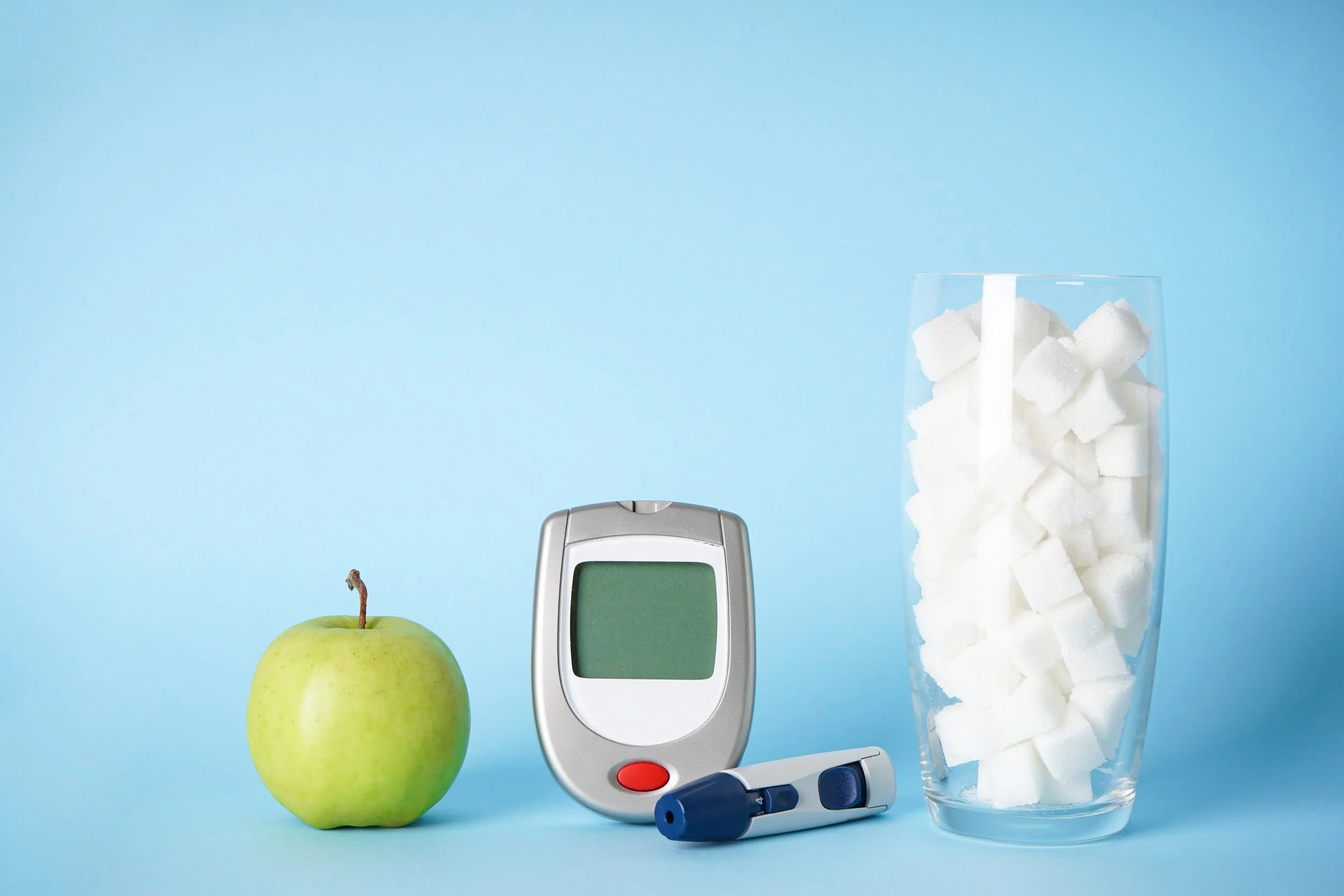
- A teaspoon of sugar on your whatever
- Fruit or “all carbs are evil”
- Insignificant small amounts of pesticide residues on vegetables
- Touching a receipt (yes, if you are a cashier and touching them nonstop this may be an exposure that needs to be considered - but dosage is key here)
Meanwhile the exposures that consistently show up in research and when testing clients in office get far less attention:
- Chronic metabolic dysfunction
- Radon in buildings (the 2nd leading cause of lung cancer)
- Mold exposure - present in roughly 25% of buildings (aflatoxin is a known carcinogen). I find sky high levels in many cancers.
- Endocrine-disrupting chemicals from our water supply (eating organic or not matters very little in the grand scheme here)
- Chronic inflammation driven by sleep disruption, circadian light mismatch, and sustained stress is measurable and has been shown to alter the expression of more than 200 genes involved in immune regulation ( i.e. low ability to fight disease!) and metabolism.
Almost every client I get in have 2 or 3 of related above issues measurably and significantly out of range - yet they are focusing on gluten or that dash of real sugar on their oatmeal or what have you. Things they, perhaps, feel they can control - but with their focus going towards inefficient matters, the real movers get overlooked.
Cancer risk is about dose × duration × biological disruption.
In other words: what the body is exposed to every day for 20–30 years. And you can MEASURE the body burden. This is not guesswork - it is measurable and treatable.
Yes, that conversation is harder to sell.
It’s much easier to create viral content around “toxic kale” or demonizing a single nutrient than to explain how long-term metabolic stress and environmental load actually accumulate in the body.
So people end up doing everything “right” according to the latest diet trend, while the exposures that actually move disease risk remain untouched.
If we want a serious conversation about cancer prevention, we probably need to start here:
Why are we still debating the smallest risks while ignoring the largest ones?